As a class project I did worked on this from concept to execution of the final prototype; this project did not require any front end programming.
This was a 4 day Sprint at Ironhack. The challenge was to add a new feature to an existing application that would positively affect the user experience. After looking through some of the apps on my phone, I decided on exploring UberEats.
Since this is an existing product with teams of Product Designers doing ongoing User Experience research, I quickly realized how difficult it was to come up with a new feature. It seems that a lot of the pain points had already been tackled on the interface side of things. Nevertheless, I decided to embark on the sprint anyway and let the user research point me in the right direction.
Create a better user experience for UberEats, one of the most popular food delivery apps.
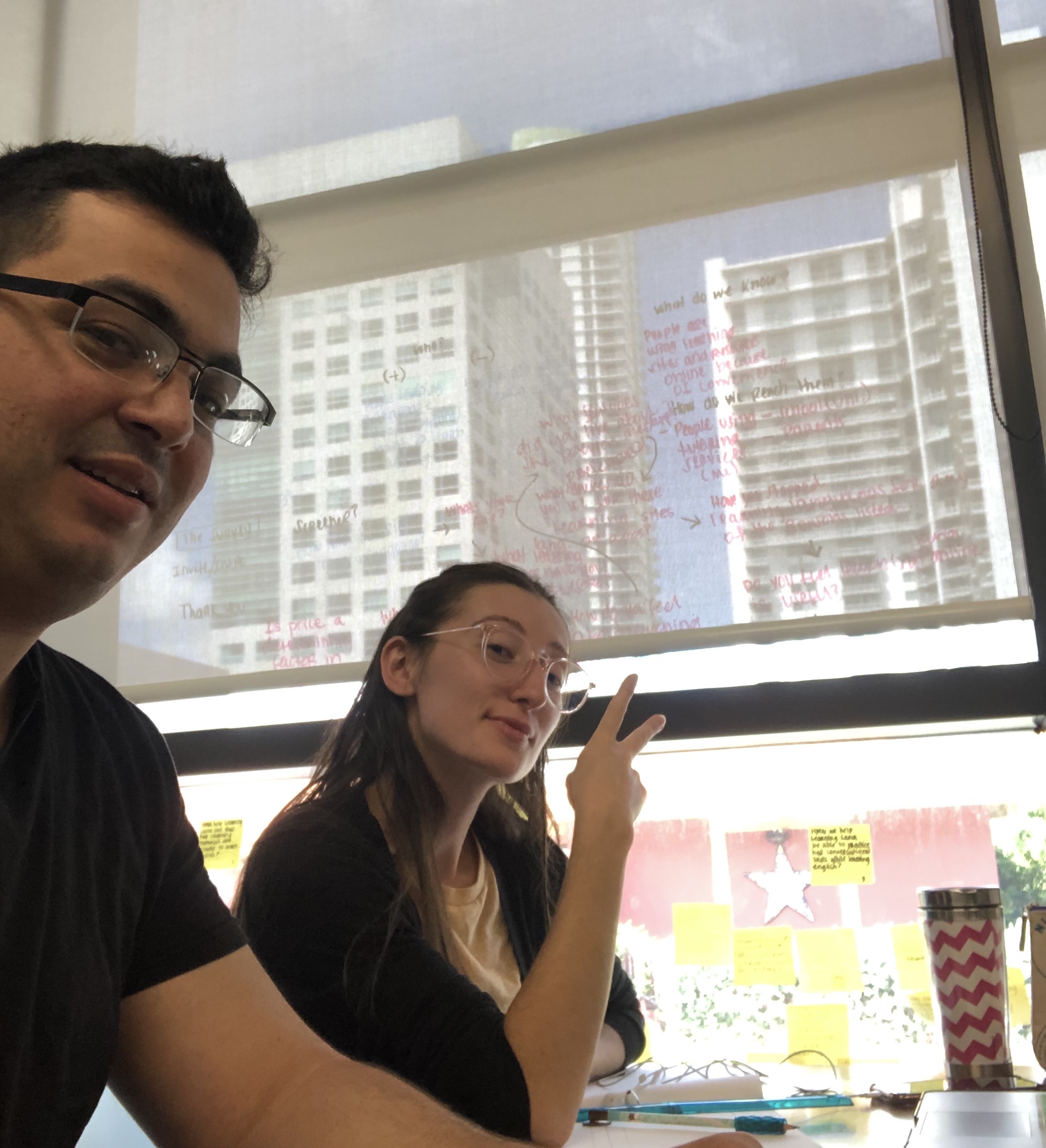
I conducted guerrilla style user research in the Brickell Area, with 5 users.
These were either current or previous users of UberEats; it was important to find user's that had switched out to another platform or had had bad user experiences.
The demographic age range was in the 20-30's and the common behaviors found where they used the app more often at home than any other place.
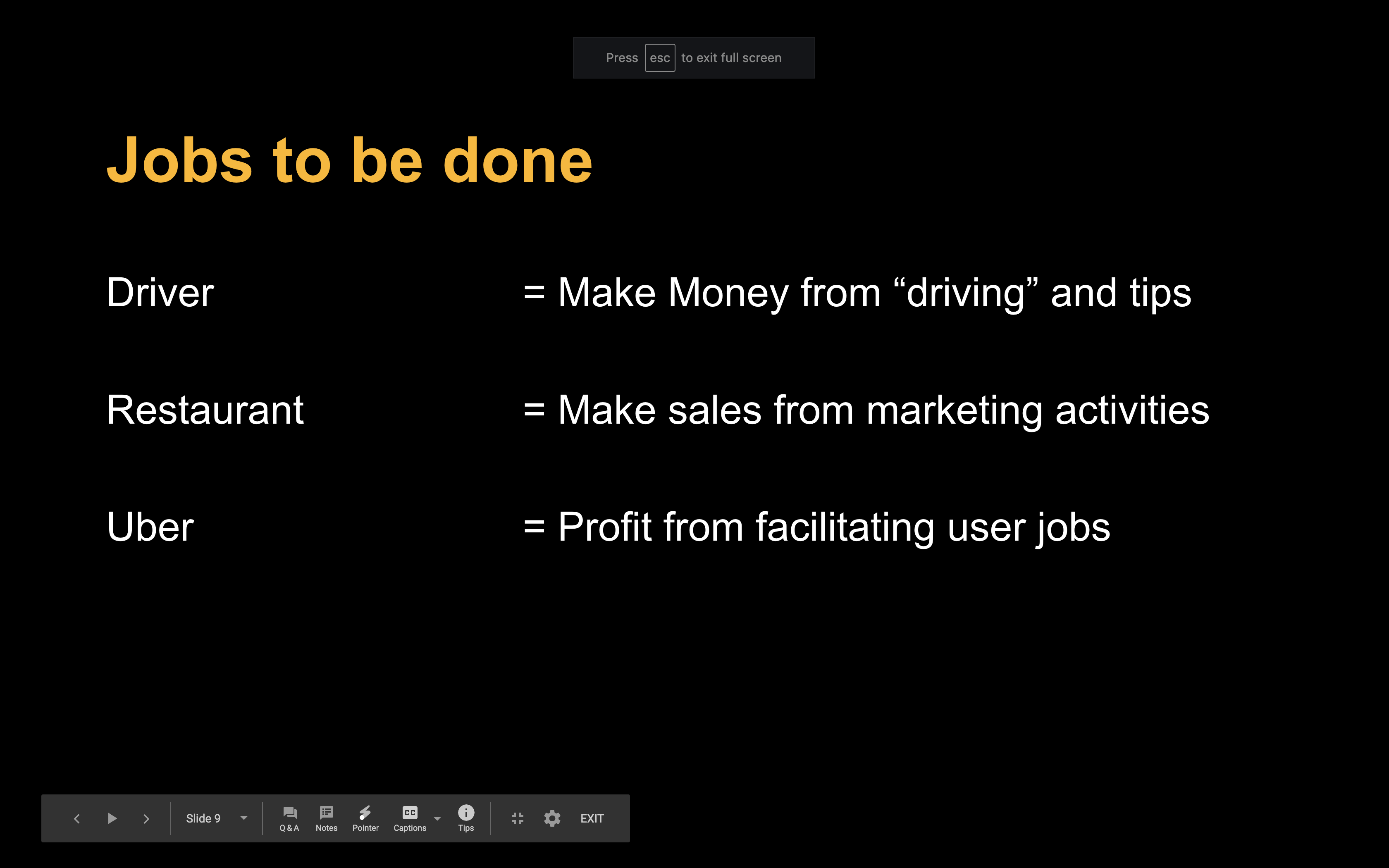
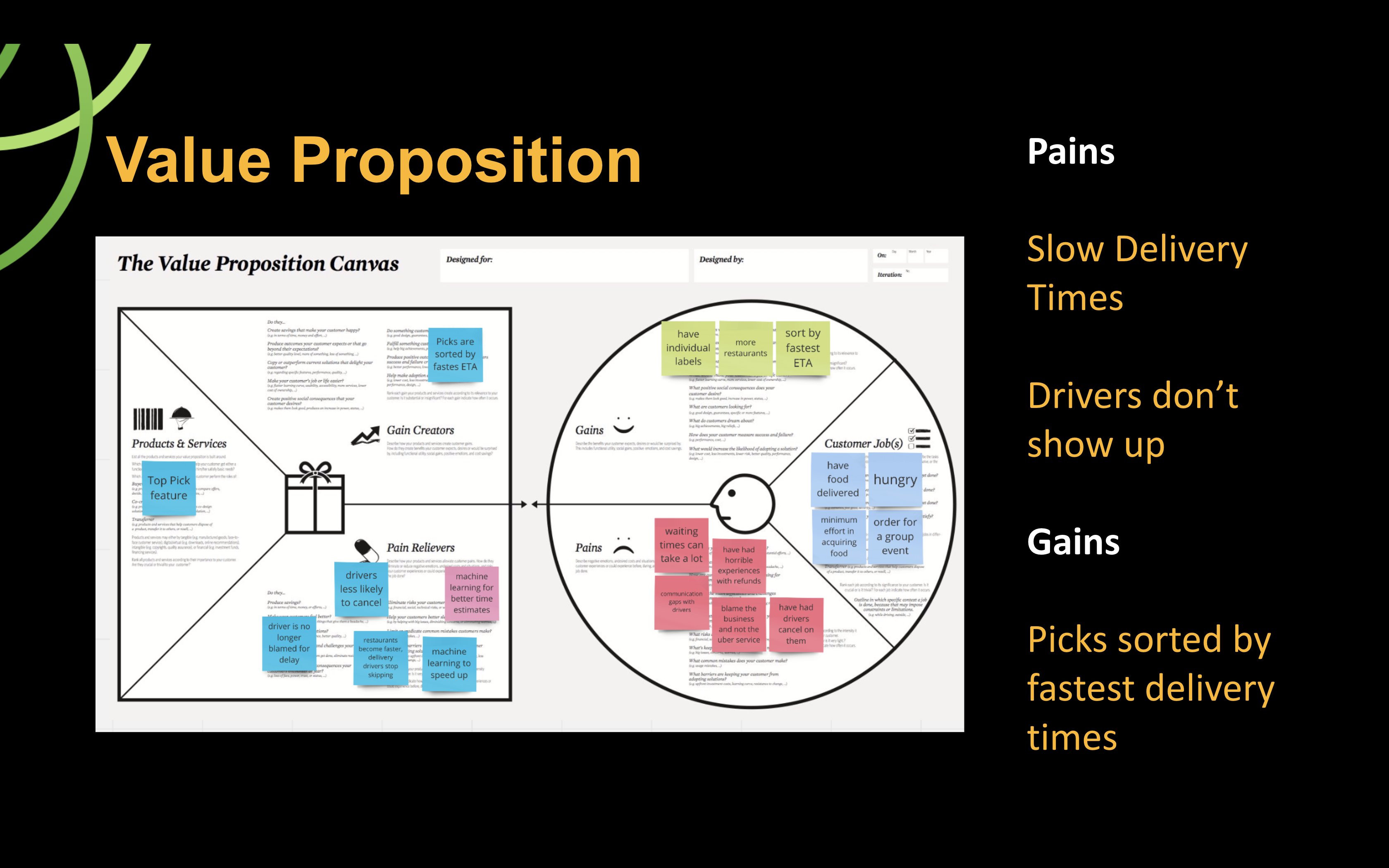
In this particular case focusing on the customer jobs section and applying the Jobs To Be Done (JTBD) framework, allowed me to see that there was a bit of service design to this challenge. It was necessary to take into account the links between the restaurants, the drivers, and the end-user.
The assumptions I had with this project was that the restaurant's incentive to report lead times would be strong enough for them to actually do that. This would mean some sort of onboarding and education to the customer, leading to an additional cost for the business.
The constraints on this project where mostly time based, from concept to execution this took 4 days, including preparing a presentation. Because of that I only did the interface for the end user.
I asked a lot of Why's, a shoutout to my days of Lean Manufacturing. What became apparent was the following:
All of this directly contributed to:
A few years ago in manufacturing, when I was having inconsistencies in product quality, from different parts of the manufacturing process to the final delivery of the goods to the client, I tackled that problem with a human centered approach; without human interest in the improvement, it didn't matter if I outsourced or changed the machines. This is why the Jobs to Be done framework, was key to aligning the solution with the underlying reasons the users enrolled in the UberEats system.
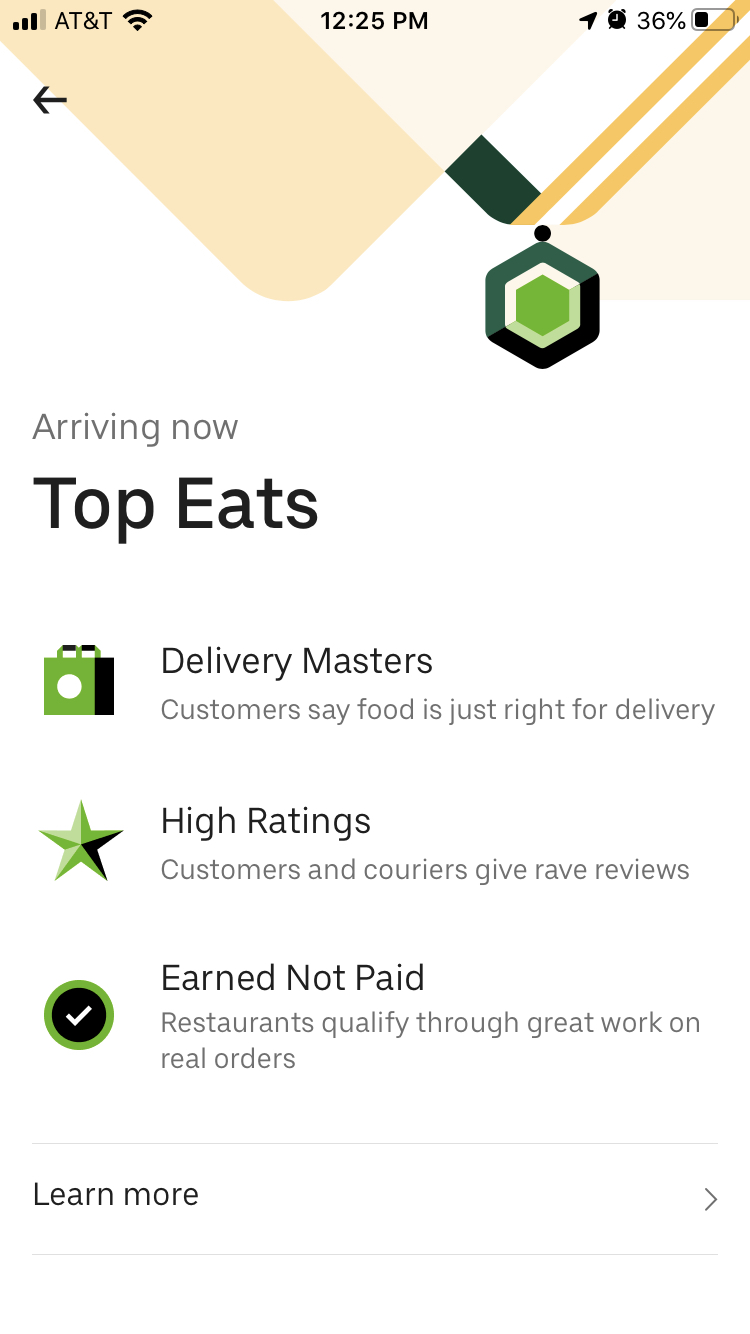
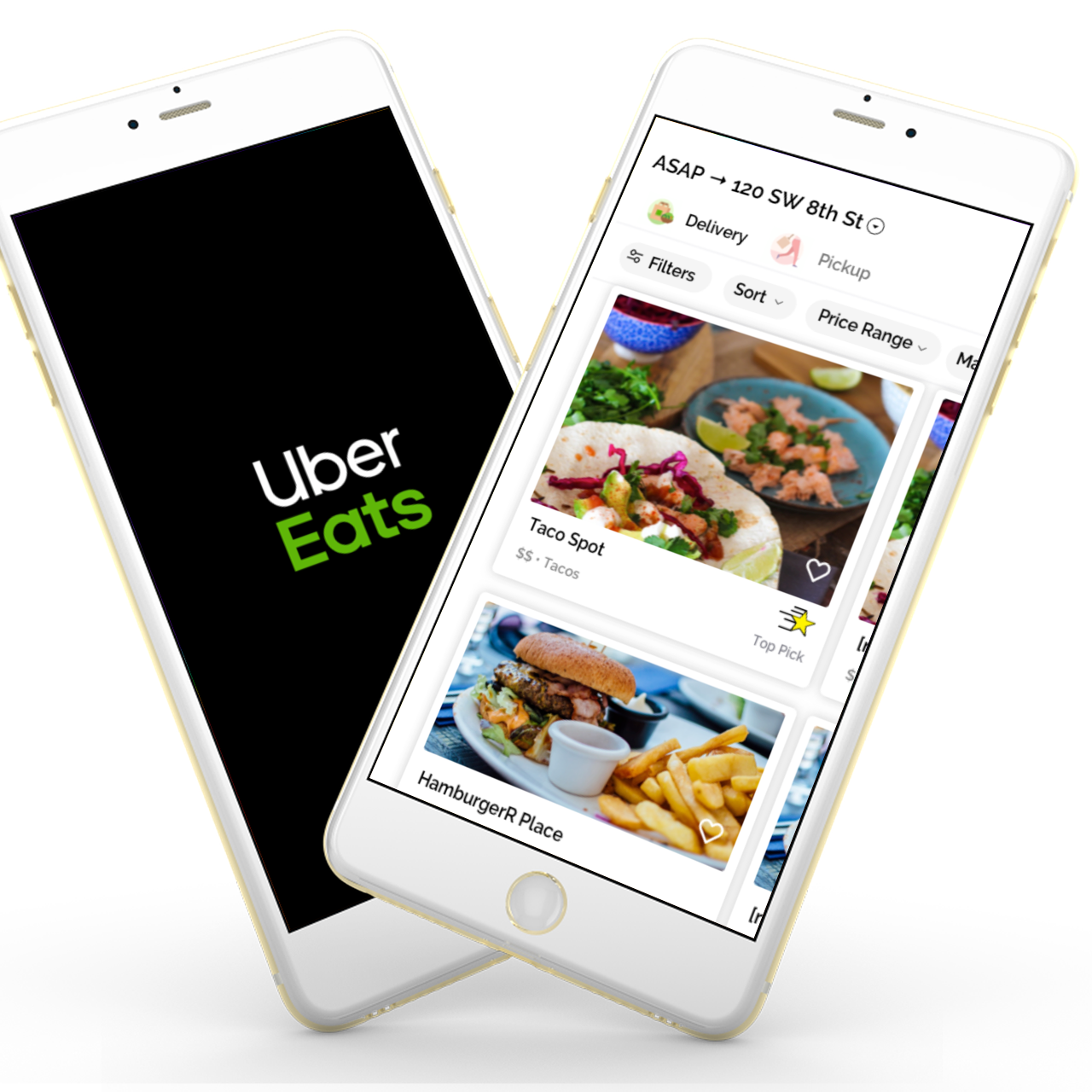
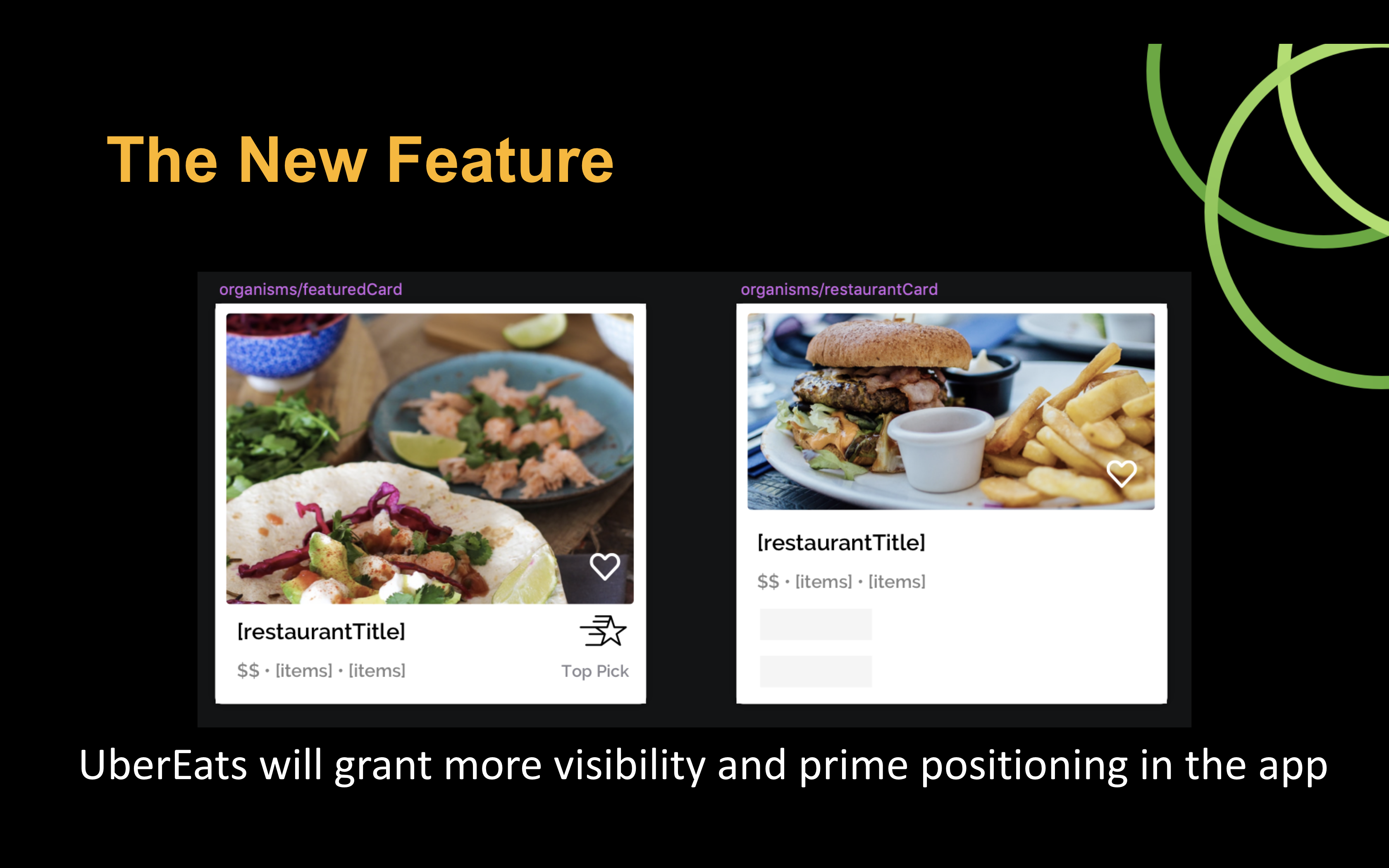
Introducing UberEats Top Pick. A way to create a positive change in the interlocked processes and services.
For a restaurant to enjoy this they must:
What will this do:
This will benefit everyone:
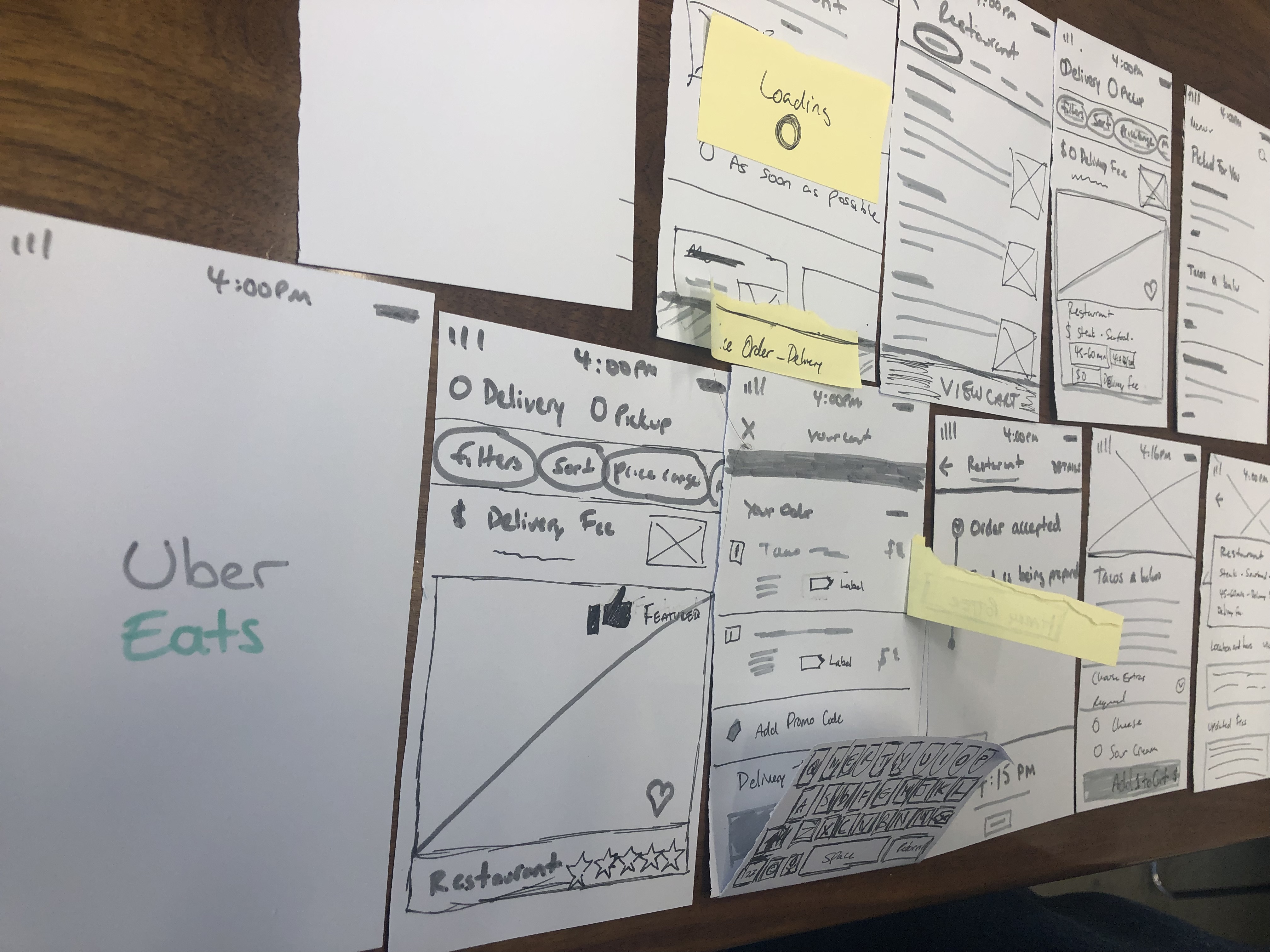
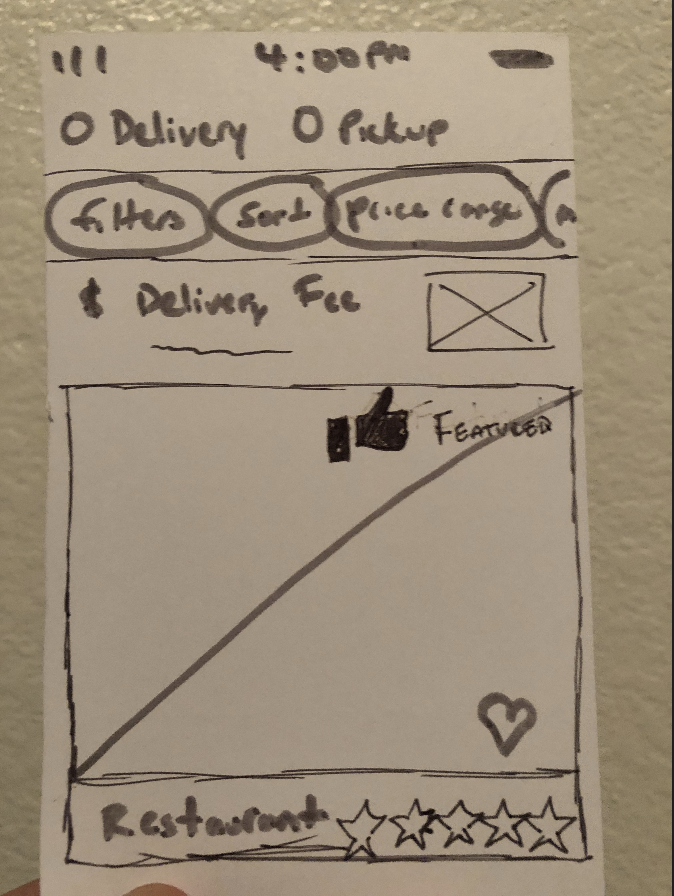
I conducted a usability test with the lo fi prototype with 5 users, the results were:
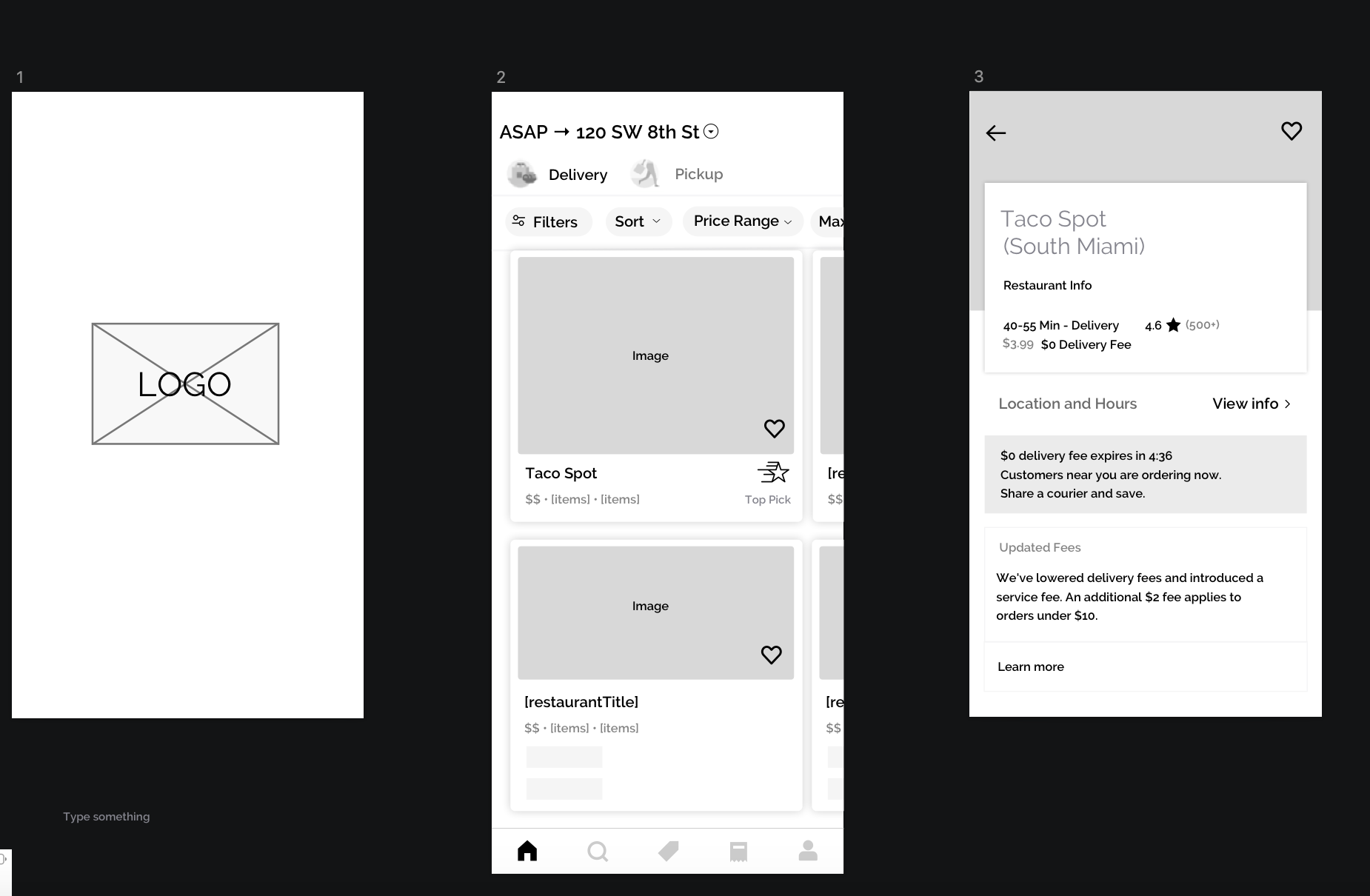
I tested the Mid fidelity wireframes with 5 users. The results were:
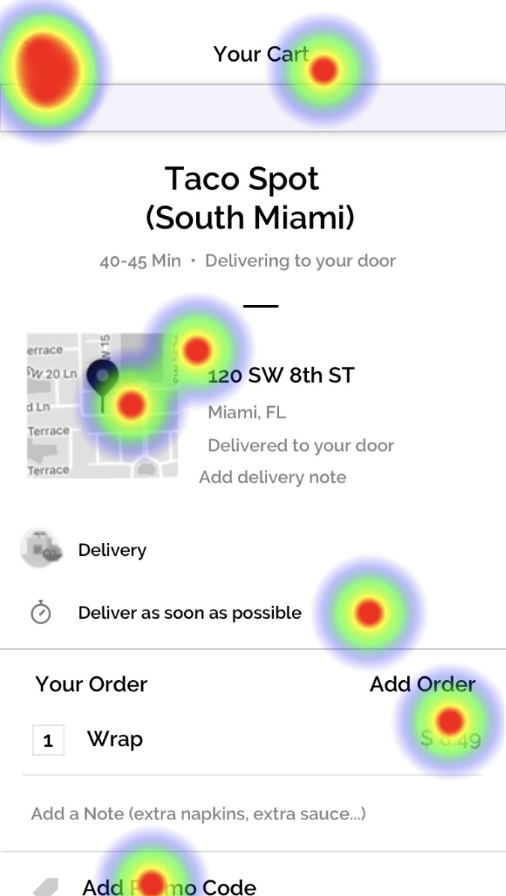
This was not an easy project, every idea that came up had in some way or another already been implemented. The UX team at UberEats are incredible, stepping into their shoes for a week to find new opportunities took extraordinary effort. As the story continues, after this project had been finished a few months later I saw this feature roll out on UberEats.