ROLE
Product Designer / Project Manager
INDUSTRY
Fintech / E-Commerce
WORKED ON
Heuristic evaluation, information architecture, wireframing, and visual design
IMPACT
What Changed
Delivered solutions for global growth
Built UI that would enable multi-language support, multiple marketing use cases and support the company in the process of positioning itself for international expansion.
Exceeded expectations and earned continued partnership
The client brought me back to redesign their core application after the website launched, a clear signal that the work delivered exceptional value.
DISCOVERY
When "Make It Pretty" Isn't the Answer
The initial conversations centered on aesthetics: branding updates, marketing needs, making things look more polished for a multi-national audience. But a quick browse of the existing site told a different story.

The company had built clever solutions on top of a weak structural foundation, and it showed. The homepage was trying to do everything at once, serving as a catch-all for every possible user need and business goal. What seemed like a visual refresh project was actually something much deeper.
I ran a heuristic evaluation using heur.io, a clean Chrome plugin I'd been wanting to test out, and found 27 usability issues. But here's what became clear: even if I fixed every single heuristic violation, we'd still have fundamental problems. The mechanics of the experience were broken. The real issue wasn't about polishing what existed; it was about understanding the intent behind prospective users' visits and how the website fit into the company's broader vision. In essence, the site was structurally unprepared for the growth they needed.

DEFINE
Who Maintains Matters as Much as Who Uses It
One of the first things I asked the project stakeholders was obviously "Who is your user?" but I also asked "Who will make changes to the website for those users?" That second question unlocked everything. Marketing had multiple goals they wanted to achieve at different points in time. Engineering had their own priorities. Other stakeholders across the company had vested interests too. Through interviews, it became clear that this website needed to behave differently depending on the point of entry, what users were looking for, and what marketing goals were active at any given moment. The current design wasn't solving for any of that flexibility, and now I had a clear starting point.

I'd started as a project manager for this redesign, but I was contributing so much to the design itself that I ended up wearing both hats. It felt right, like flow and efficiency meshing together. I created a mind map of the potential future state, then broke it down to the essentials while still considering the company's growth trajectory. This clarity was well received by the client and allowed us to define scope and actually keep to it. A clear, simple sitemap was approved, and wireframing began.

DEVELOP
Designing With People
By this point, I had all the business goals mapped out and content was starting to come in. Everything was happening remotely across different time zones and countries, so I had to be intentional about collaboration. I kept asking myself, "How do we design this in a way that keeps everyone aligned?" I set up separate meetings with marketing and engineering to dial in what the website needed to do. From the start, I took a mobile-first approach to wireframing. It gave us something concrete to react to, and once we agreed on a direction, we'd push the fidelity higher.

Getting input early made all the difference, especially with teams that had strong opinions and high energy. Bringing everyone into the early stages didn't just streamline things; it created shared ownership. People weren't being asked to approve decisions after the fact; they were shaping them. What could've turned into competing priorities and friction became collaboration. Everyone felt like they'd added something meaningful to the design, and that buy-in carried through the entire project.

We held multiple design decision meetings with the client to establish the visual language. When to use illustrations versus photos of people. What the images needed to convey to stay on brand. How to create consistency between visual elements.

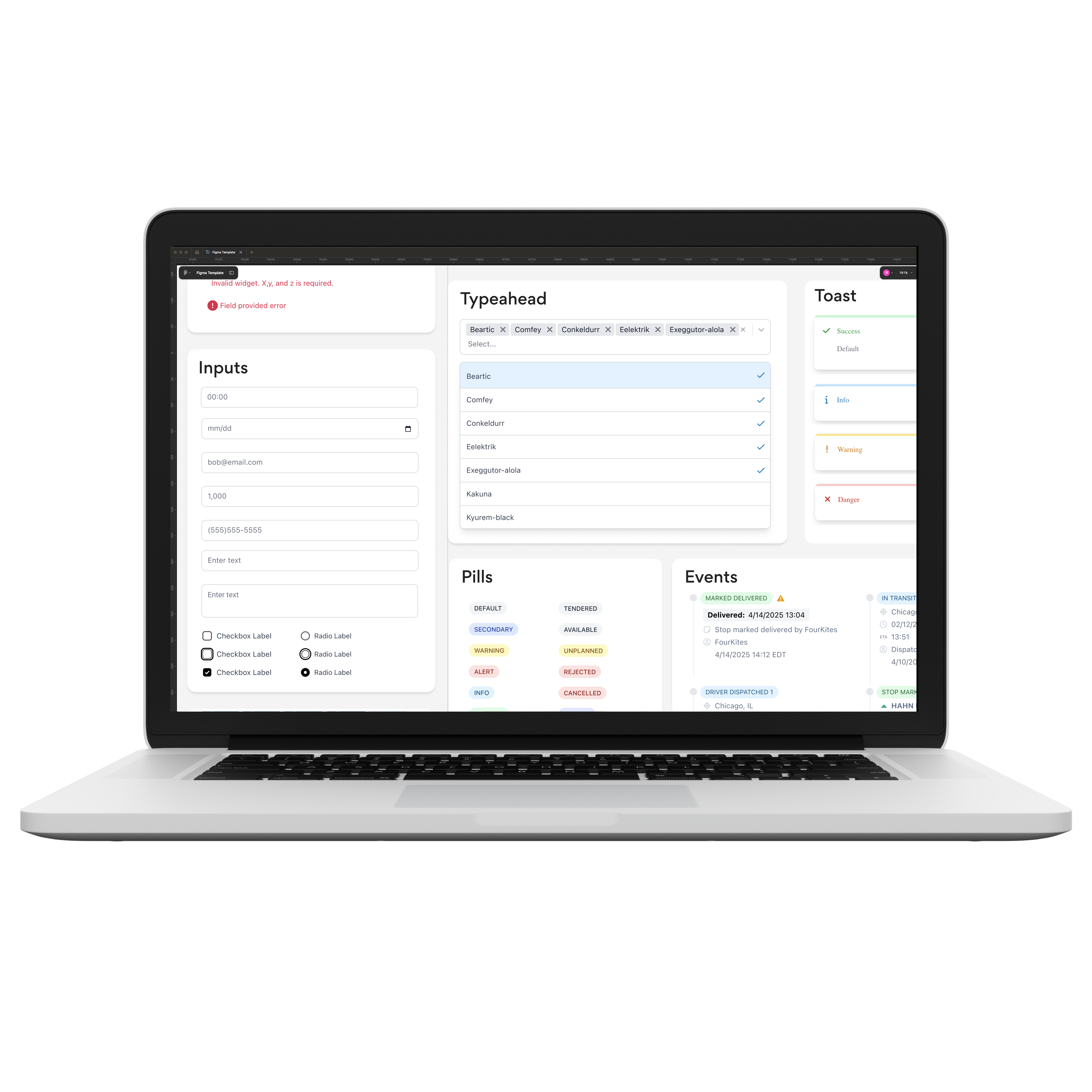
One obstacle kept nagging at me: how do I organize, access, and modify these elements efficiently? The combinations were getting out of hand fast, and I needed a systematic way to manage them without rebuilding everything for each stakeholder change. I solved it with Figma variants, back when they where first released.

That systematic approach meant we could make changes with stakeholders efficiently and move into development faster without constantly reworking the fundamentals.

THE CHALLENGE
RESOLUTION
DELIVER
The Ripple Effect of Good Systems
The website didn't just meet the brief; it repositioned the company entirely. By delivering a design language that resonated with a multi-national audience, we moved them beyond their regional roots and gave them the credibility to compete internationally. But the impact reached far beyond the website itself. The design patterns and systems I'd created became a foundation for the company's product workflows and internal processes, influencing how they approached their core application and operational tools. The client saw that value clearly. After the website launched and was handed over to development, they brought me back to redesign their application. That told me everything I needed to know about whether we'd delivered something meaningful. We hadn't just built a website; we'd set a new standard for how they approached design across the company.

TAKEAWAYS
Ownership Works Both Ways
This project taught me that wearing both the project manager and designer hats wasn't just about efficiency; it was about ownership. Managing expectations, keeping the project moving forward, and making design decisions all required me to be fully invested in the outcome. There's a certain momentum that comes from that level of ownership, where you're not waiting for someone else to unblock things or make the call. You just do it. That sense of responsibility drove the project's success in ways that a more siloed approach wouldn't have.
But ownership isn't just about holding the reins yourself; it's also about knowing when to let others take hold. This project was as much about learning to let other people own parts of the product as it was about my own contribution. By letting their input be heard early and genuinely integrating their ideas, I created advocates instead of critics. People don't just execute better when they feel ownership; they care more, push harder, and help carry the project across the finish line. That balance between driving things forward and inviting others in turned out to be the real skill I walked away with.